SOC as a Service Pricing: What Drives Your Quote

.avif)
Quotes for the same environment can come back at wildly different numbers, each one presented as the market rate. A spread that wide does not, by itself, mean any vendor is overcharging.
"SOC as a Service" (SOCaaS) is a fully managed SOC delivery model. In practice it means managed detection and response at the core, often alongside managed SIEM and managed security tools, with detection engineering included in the service. Each quote encodes different answers to the same underlying questions: what telemetry is in scope, who executes containment, how fast, and how much human investigation labor sits behind every alert. Price those answers correctly and the quotes stop looking arbitrary.
Within this market, distinguish Traditional MDR and AI-native MDR services from self-operated AI SOC tools, which investigate alerts but are not fully managed SOCaaS providers. The managed side of the market is also broadening past MDR alone, across multiple SecOps functions delivered through a shared agentic architecture and security experts. Daylight is a MASS company, meaning it offers managed agentic security services for Security Operations, with AI-native MDR as its entry point.
TL;DR:
- The MDR core of a SOCaaS contract runs $8 to $35 per endpoint per month at the entry and standard tiers. Managed SIEM, tooling, and detection engineering stack on top, and where you land depends more on telemetry scope and response depth than on vendor brand.
- Coverage scope can multiply the base rate. Ask how adding cloud, identity, and email monitoring changes the endpoint-only base rate, and verify whether those layers are separate SKUs before signing.
- The headline rate may understate year-one spend once onboarding fees, log ingestion overages, IR retainer blocks, and annual escalation clauses hit the invoice.
- Automation is changing the labor model behind MDR delivery. Ask each vendor how its delivery costs have changed, and whether your quote reflects that change.
What SOC as a Service Costs in 2026
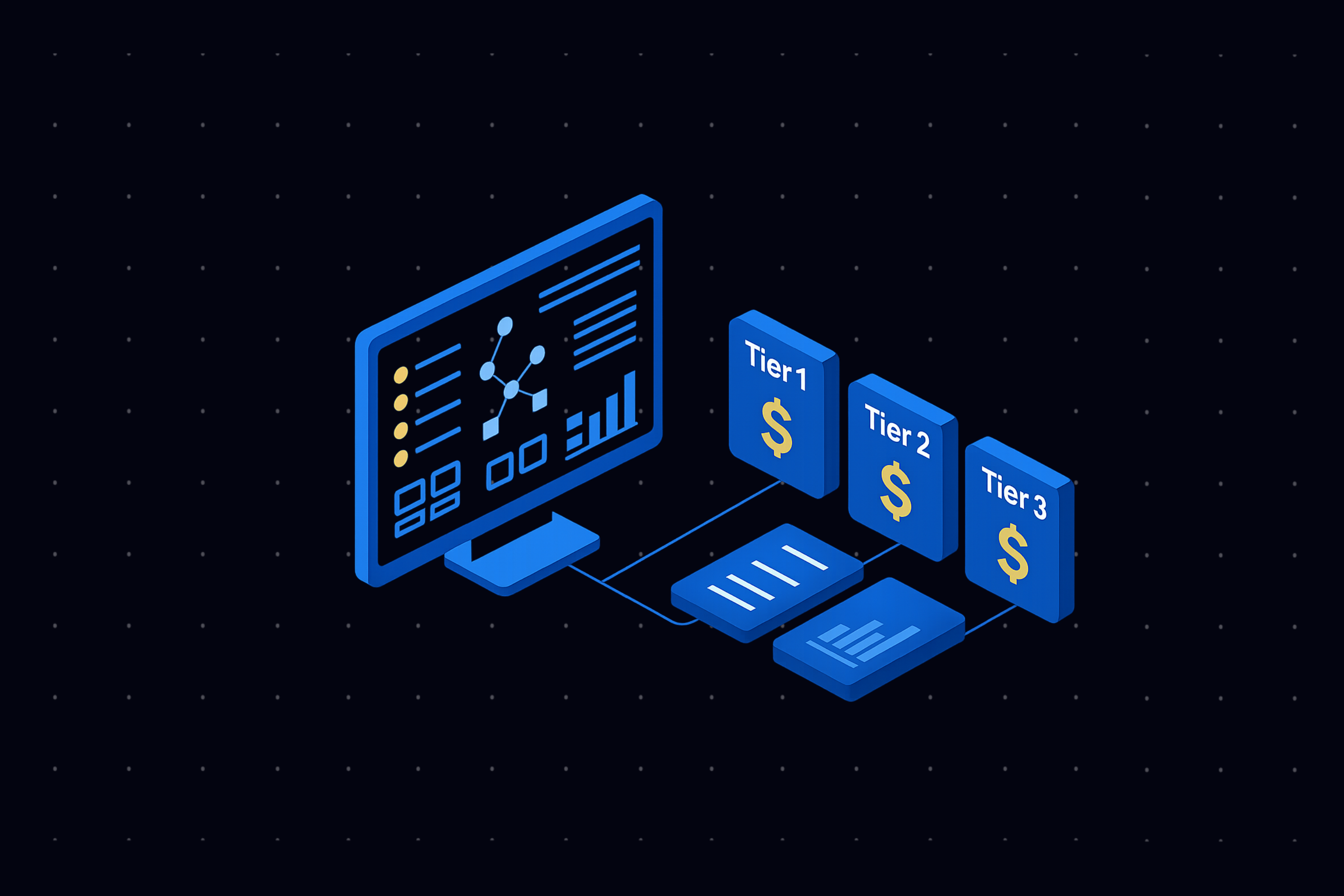
Our own SOC cost analysis places entry MDR at $8 to $25 per endpoint per month and standard MDR at $15 to $35. Premium MDR, which adds dedicated expertise, custom engineering, and advisory work, runs $50 to $100 or more per endpoint per month.
Those tiers price the MDR core. A full SOCaaS contract usually layers managed SIEM, managed security tooling, and detection engineering on top of it, and that stacking is where the distance between two quotes tends to open up.
Annual spend swings widely with environment size and service scope. Model the total contract at your current endpoint count and at your projected growth level. Extrapolating from a single monthly rate hides how quickly the bill compounds.
Treat published list prices and planning estimates as anchors rather than complete MDR contract prices. Self-serve endpoint products may publish per-device pricing, while full-scope SOCaaS bundles are almost always quote-only. When two quotes diverge sharply, scope is the first place to look for the difference.
The Pricing Models Behind the Quote
The model matters less than what it prices in. An asset-based quote that includes cloud and identity coverage can beat a cheaper per-endpoint quote that bills those layers separately. The operating model matters too, because it determines who supplies the human investigation labor and who carries response accountability under contract.
Under per-endpoint pricing, the charge follows device count, so adding telemetry sources does not directly change the billing unit. That keeps budgets predictable, but it also says nothing about what the provider actually monitors.
Per-GB pricing at the managed SIEM tier inverts the arrangement and makes ingestion volume the variable that drives cost. The tradeoff cuts both ways: trimming SIEM ingestion lowers usage-based licensing costs, but dropping telemetry opens coverage gaps. Avoid per-GB wherever the contract allows, because it prices broader telemetry collection as a penalty even when that telemetry improves detection.
Each model puts the cost exposure in a different place:
What Moves the Quote
Use five variables to normalize the spread between quotes, and treat only the first as strictly about the size of your environment. The other four reflect choices about coverage, telemetry volume, response speed, and contract terms.
1. Endpoint and Asset Count
The primary billing unit determines how the quote changes with environment size, but ask whether unit rates change with volume. Request explicit pricing tiers at multiple deployment sizes, including your current footprint and projected endpoint count.
2. Coverage Scope
Ask vendors how broader cloud coverage changes the per-endpoint base rate. Ask separately about email and identity monitoring. For each added telemetry source, confirm what detection engineering and integration work is included. Establish who licenses the tooling as well, because a bundle that includes EDR and SIEM licensing prices differently from one that expects you to bring your own. Verify whether identity, cloud, OT, and SaaS coverage ships as a separate SKU. Do not assume it was folded into the planning estimate.
3. Log Volume
Usage-based ingestion fees can become difficult to forecast as telemetry grows. Ask whether the base price includes a daily allowance and what happens when usage exceeds it. Model higher-volume scenarios that account for endpoint expansion and added cloud or identity telemetry, because current ingestion is a poor forecast of next year's.
4. Response Depth and SLA Speed
Notification-only, guided response, and active containment are distinct scopes that deserve distinct quotes. Active containment, where the provider can isolate hosts and disable accounts, belongs in a separate line item from guided response. Ask how response-time SLAs, investigation and containment practices, and round-the-clock versus business-hours coverage each change the quote.
5. Compliance and Contract Terms
For federal and FedRAMP requirements, ask vendors to itemize costs tied to authorization, staffing, and control requirements rather than assuming ordinary commercial pricing applies. On the buyer's side of the ledger, use longer commitments and a competitive RFP with live alternatives as negotiating levers.
The Costs That Arrive After Signing
Several costs can push total cost of ownership beyond the initial quote:
- Onboarding fees charged as a one-time implementation cost. For larger deployments, ask whether implementation charges can be reduced or waived, particularly when negotiating an end-of-quarter deal.
- Log ingestion overages beyond the included baseline. Model the exposure for environments with significant cloud infrastructure and ask the provider to cap volume-based charges.
- IR retainer mechanics. Check whether the contract includes a limited annual allowance, whether additional response time is sold in hourly blocks, and whether emergency response without a retainer costs more. Model whether a serious ransomware incident could exhaust the included retainer before the response is complete.
- Annual escalation clauses in multi-year contracts. Review the agreement for annual price adjustments and negotiate a cap or removal before signing.
- Renewal repricing. Ask whether advanced reporting options or any separately scoped services included at no charge in year one may become paid line items at renewal, including a distinct threat hunting service.
Most of this is defensible at the contract stage. Ask the vendor to walk through how it would invoice a client whose environment resembles yours before you sign.
What the In-House Alternative Costs
That same analysis models a minimum viable 24/7 in-house SOC at $1.5 million to $2.86 million a year fully loaded, assuming nine to 14 FTEs for a functioning operation: operations staff plus detection engineering, tool administration, and a SOC manager. Personnel is the largest component of that range, ahead of tooling and overhead.
Vendor-built calculators for building your own SOC are not neutral. Cross-check their assumptions around staffing, technology, implementation, and overhead. Even after discounting vendor math, check whether the managed option stays clearly cheaper in your environment. Then look at how far that gap narrows at larger endpoint counts, where the managed contract itself becomes a major line item.
How to Decide What You Should Pay
The right number follows how much of the service your environment can actually consume. Match your situation to the closest case below.
- If your estate is small and mostly endpoint telemetry, budget for an entry MDR tier. Skip premium services whose coverage you have no way to use yet.
- If your environment is majority cloud with identity in Okta or Entra and heavy SaaS, price full-scope coverage from day one. Retrofitting cloud and identity later is how add-on SKUs expand the bill.
- If your board or customers require documented 24/7 coverage with fast containment, accept the SLA premium. Demand pre-authorized containment authority in writing and test it in a tabletop before an incident.
- If budget predictability matters more than flexibility, choose per-endpoint or flat-tier pricing over per-GB.
- If you can commit to three years, ask for a multi-year discount. Pair it with go/no-go milestones at day 30, day 60, and day 90. Each checkpoint should carry exit rights if the provider misses the investigation coverage or escalation targets you agreed to.
- If you're weighing build versus buy, compare quotes against the $1.5 million-plus in-house floor.
Run every finalist quote through the same normalization: total year-one cost including onboarding, overage exposure at your projected log volume, and IR hours at your realistic incident profile.
Why the Delivery Model Changes the Pricing Math
How a provider delivers the service carries a pricing consequence worth testing directly. Most MDR price lists were built around a model in which a human reviewed every case, and that assumption is still priced in. As security operations automation absorbs more triage and investigation work, less of each case depends on a person reading it. Whether a provider's rates have followed is a fair thing to ask. Ask what share of investigation work its automation actually handles, how its unit economics have moved over the past two to three years, and where that shows up in your quote.
To understand SOC as a Service pricing, separate the human investigation labor from the delivery model used to provide it. Traditional MDR embeds human staffing in the price, and quality varies widely among the MDR providers inside that group. These providers investigate alerts and, within an agreed scope, take response and containment actions. Because the operating model is more human-heavy, escalation volumes tend to run higher, and the internal labor that unresolved cases consume rarely appears as a line item on any vendor invoice. AI SOC platforms relocate that labor again. They are generally tools your team operates: they investigate alerts and return findings or recommendations, while your team owns response decisions and operational outcomes.
AI-native MDR is the third structure: a managed service built on AI-native architecture, where the provider conducts investigations and owns response. It also tends not to price per endpoint, which is why comparing it to an endpoint-based quote on rate alone will misstate the difference. Daylight operates in this category. Its agentic execution runs the investigations, and its security experts oversee that work and build the organizational context those investigations depend on. As in Traditional MDR, the provider carries contractual accountability for that work. Governance and CISO accountability stay with the customer.
What the Spread Actually Tells You
Quotes that land far apart are rarely evidence that anyone is overcharging. More often they mean several companies priced several different services against the same endpoint count. Pin every quote to one scope definition before you read the rates, and the spread narrows to something you can actually judge.
The provider that looks expensive on the per-endpoint line may be the only one quoting the full scope of work your environment requires. Read what each quote covers before you read what it charges.
Frequently Asked Questions About SOC as a Service Pricing
Why Do Quotes for the Same Environment Vary So Widely?
Because "response" can mean different things in different contracts. The three response tiers are often priced as separate products, and telemetry scope varies just as widely. Gartner's MDR market definition treats immediate remote investigation and containment as a mandatory feature that goes beyond alerting and notification, delivered by the provider's own staff and preapproved by the customer. That last condition is the practical test. If a provider says "active remediation" but needs your sign-off before it can isolate an endpoint, treat that as guided response.
What Escalation and Resolution Metrics Should I Demand Before Signing?
Demand evidence-based verdict quality, investigation coverage across alert types, unresolved-case escalation patterns, and complete investigation context. Require the provider to define its escalation rate in terms of which investigated cases remain unresolved, why they return to your team, and what evidence accompanies them. Insist the provider measure those figures against your environment and report them on a regular cadence. Escalation volume is the metric that matters most here, because it measures how much investigation work lands back on your team.
Does Bundled Incident Response Replace an IR Retainer?
Not automatically. Verify whether the bundled IR coverage extends beyond investigation within the provider's platform and agent footprint. Ask specifically whether forensic disk imaging, systems outside that footprint, legal support, and regulatory notification are included or excluded. Cloud environments complicate the question further, because cloud incident response often depends on control-plane and identity evidence that sits outside an endpoint agent's reach. Procure a separate full IR retainer if you need breach forensics and legal-grade investigation from a dedicated firm.
Are Breach Warranties Standard in SOCaaS Contracts?
Do not assume a breach warranty is included. Where a warranty exists, scrutinize exclusions around negligence, patching, policy violations, sub-limits, and deductibles. Treat the warranty and contractual liability as separate provisions, and review the provider's damages cap and consequential-loss exclusions to understand what breach costs may remain with the customer.
What Exit Terms Should the Contract Include?
Ask for penalty-free exit on reasonable notice, data portability in a standard machine-readable format at a published rate, ownership of your correlation rules and detection content on exit, and prompt final data export after termination at no fee. Negotiate these at signing; your bargaining position weakens at renewal.